
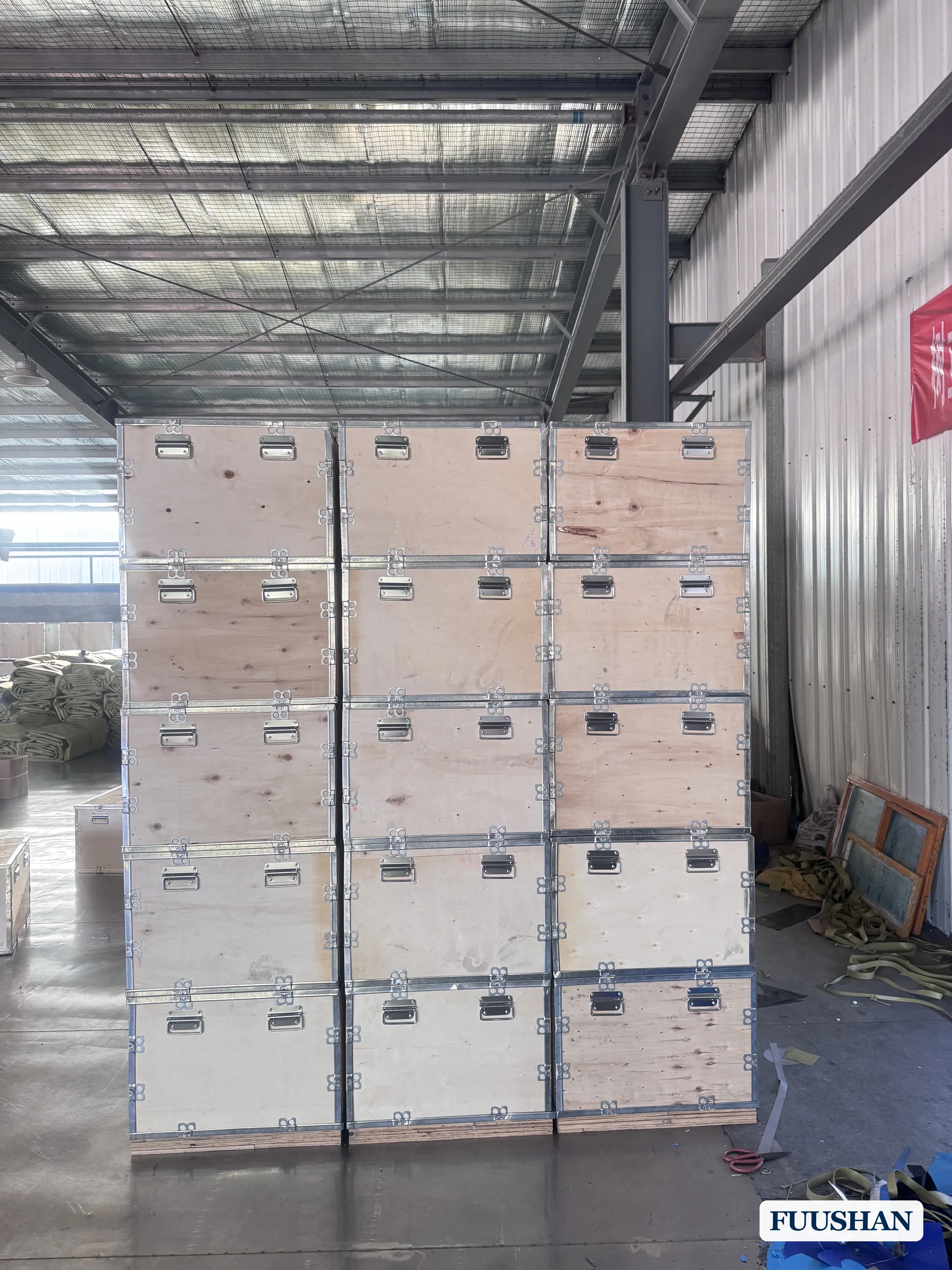
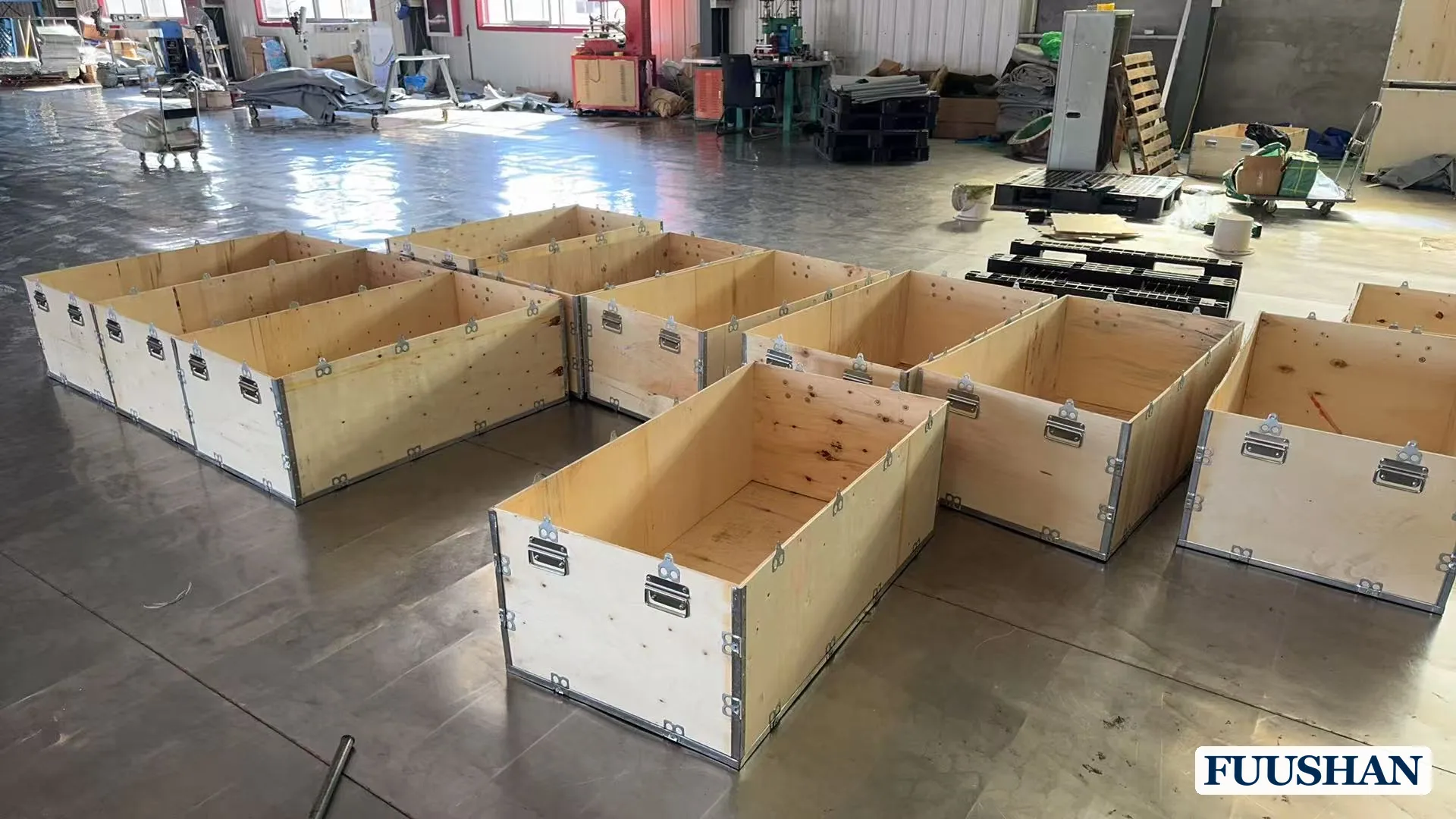
Our long-standing customer in the Middle East took delivery of 170 pillow water bladders in a single order. Each unit is packed in its own wooden crate for export. The bladders are used to water sheep and camels on livestock farms where the distance to the nearest reliable water supply is measured in hours, not metres.
What the customer needed
The farms sit far from the water infrastructure that supplies the cities. Moving water to animals by truck means repeated trips over long distances, and a single interruption puts a herd at risk. The requirement was not a large permanent reservoir — it was storage that could be positioned close to where the animals actually graze, and filled on a schedule rather than by continuous supply.
A pillow water bladder suits that pattern. It arrives folded, unfolds on site into a low-profile water store, and needs no foundation or steel structure. When the grazing route moves, the emptied bladder can be folded and carried to the next position rather than abandoned.
Why wooden crates for a folded product
A folded bladder is flexible but not indestructible. The failure modes that matter during a sea voyage are punctures from impact, chafing against other cargo, and crushing from stacked weight above. A carton absorbs none of these.
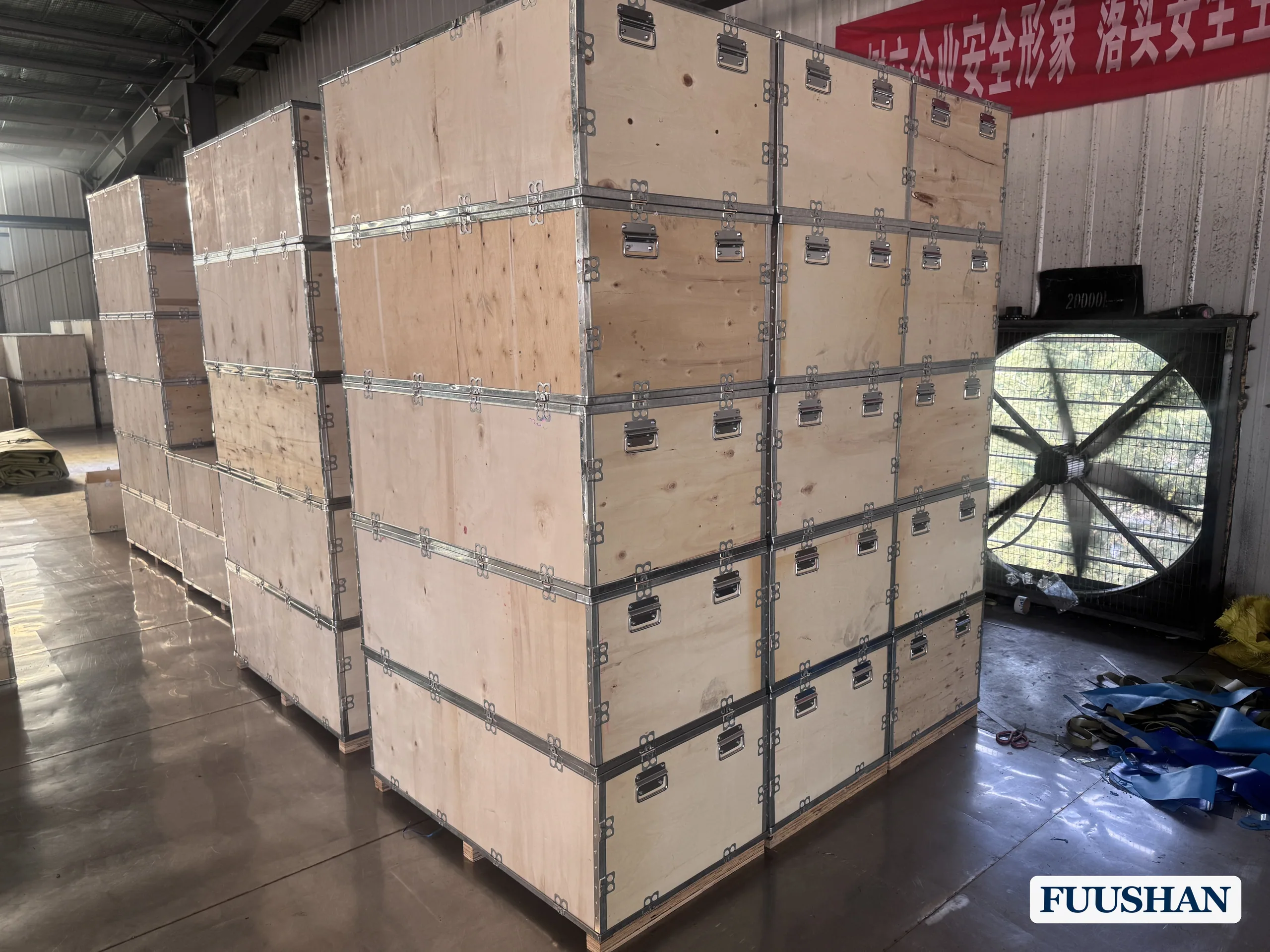
Timber crates hold their shape under load and resist local punctures, which is why they carry this order rather than cartons. The trade-off is weight and volume: crates add shipping cost and consume space that folded product would otherwise use. For 170 units going to a market with no local repair option, protecting the material was worth the extra freight.
What happens before a crate is closed
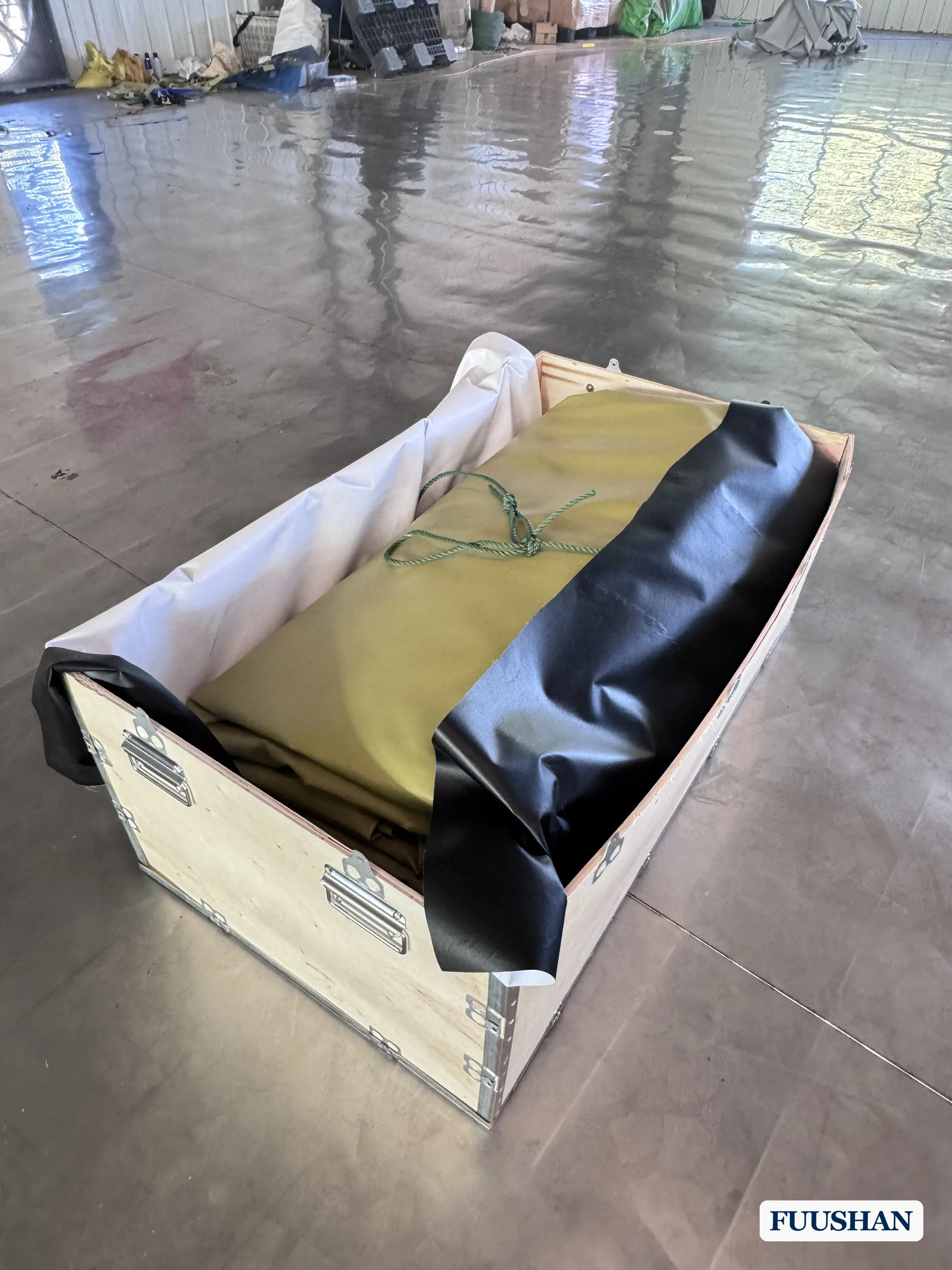
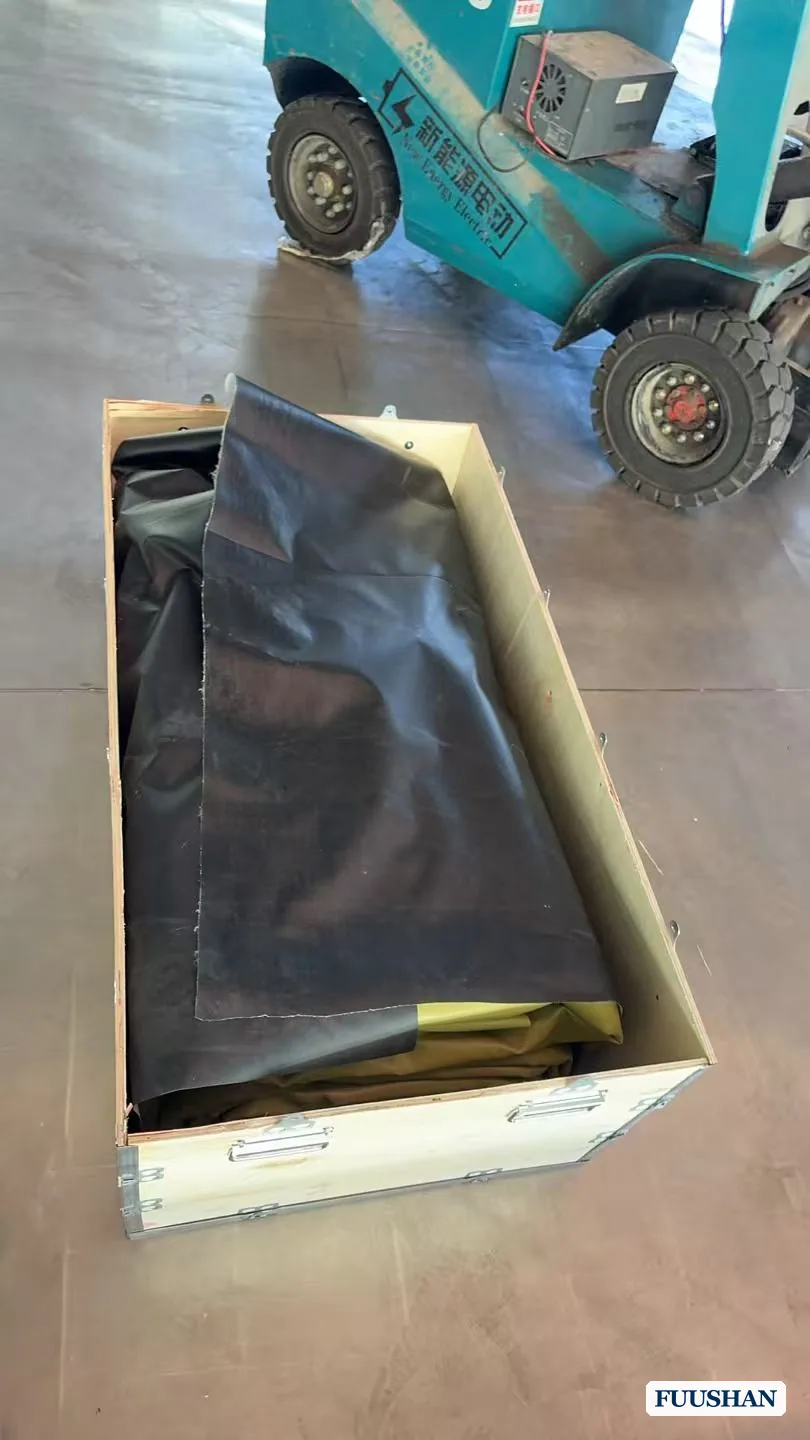
The packing itself is a sequence rather than a single action. The bladder is folded to the agreed dimensions, the fitting positions are checked against the order confirmation, and the folded unit is covered before the crate panels go on. Products may be selected from the production batch for air-inflation inspection by experienced workers.
Livestock water storage in remote areas
Where a permanent tank is impractical, the constraint is rarely volume — it is access. A site reachable by truck once a week needs enough buffer for a week; a site reachable only in good weather needs storage that does not depend on that access at all.
Flexible bladders change the calculation because they are relocated rather than rebuilt. See livestock and farm water storage for how capacity and outlets are specified for a site. Volume, dimensions, outlet size and material are confirmed against the water source, the animals being supplied and how the site is served. Because the liquid here is drinking water for livestock, material compatibility is confirmed for that use before the order is produced rather than assumed from a generic specification.
If you are supplying water to livestock where infrastructure does not reach, send the stored medium, the number of animals, the capacity you are considering and the delivery region. We will review the application and confirm a suitable material and configuration before quoting.